
The PPC Revolution Has Arrived
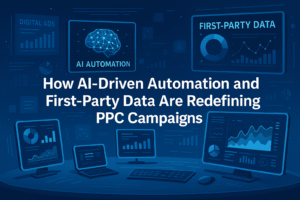
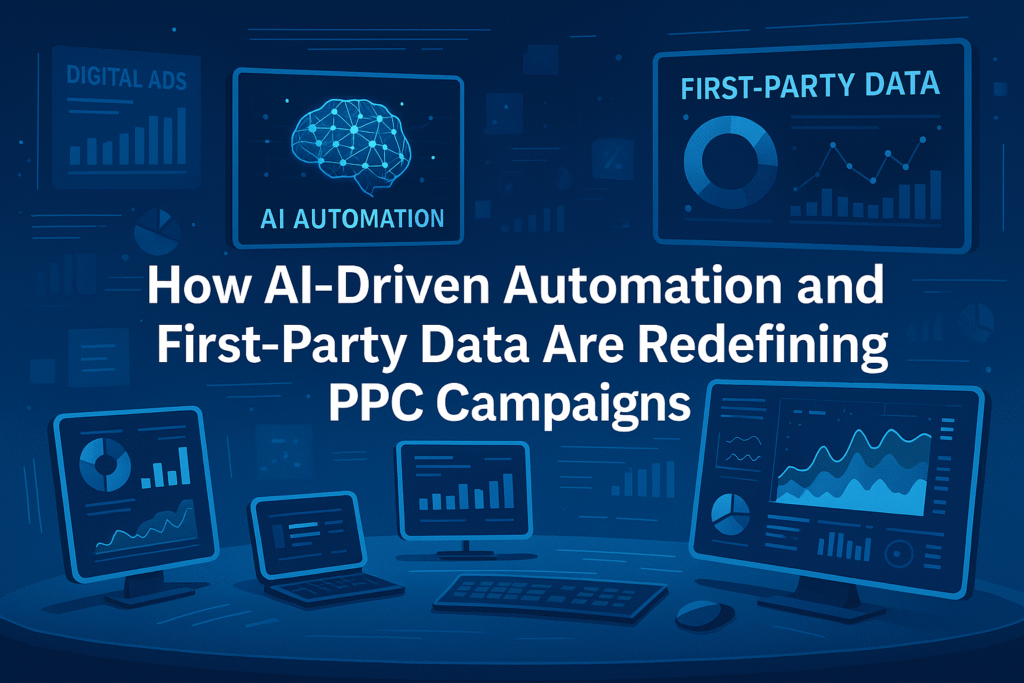
The world of Pay-Per-Click (PPC) advertising is changing faster than ever before. AI-driven automation and the rise of first-party data are fundamentally reshaping how brands manage, measure, and optimize their paid campaigns.
With third-party cookies fading out and consumer privacy taking center stage, marketers are leaning heavily on AI tools that process massive datasets to deliver hyper-personalized ad experiences — without compromising data ethics.
This new era of PPC is smart, privacy-focused, and insight-driven — where every click is backed by intelligent automation and trusted user data.
The Role of AI in Modern PPC Campaigns
Artificial Intelligence is now the core engine behind most major ad platforms — from Google Ads’ Smart Bidding to Meta’s Advantage+ campaigns.
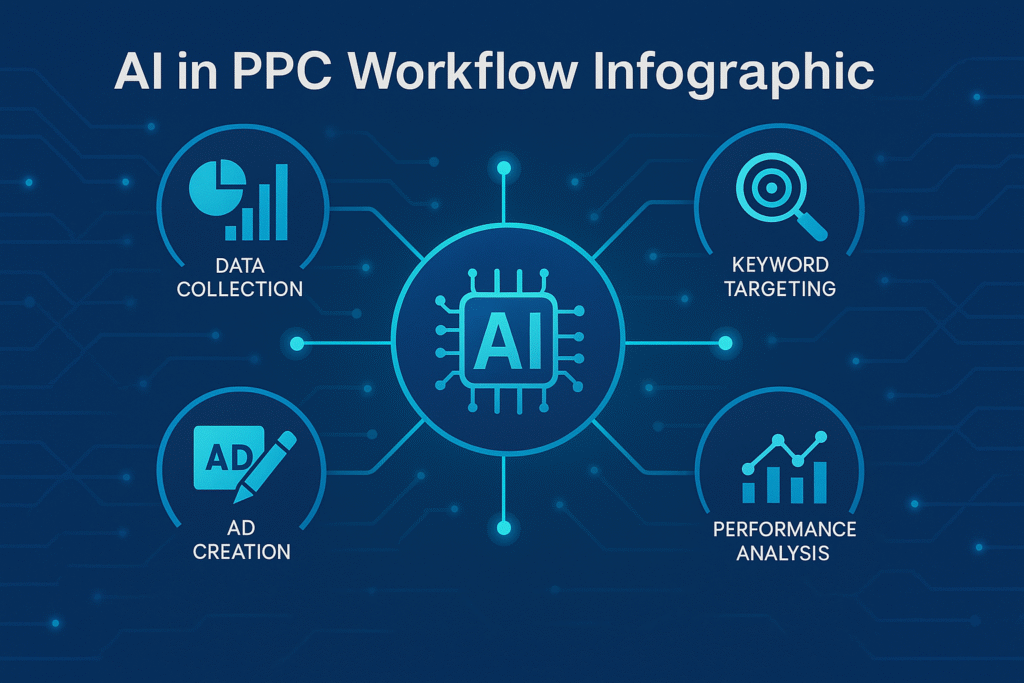
AI enhances PPC by:
- Optimizing bids automatically for maximum ROI.
- Identifying high-performing keywords and creatives.
- Predicting user intent and aligning ad delivery in real time.
- Adapting campaign structures dynamically to performance trends.
In 2025, the success of PPC campaigns depends on how well you leverage AI’s predictive intelligence to make faster, smarter decisions.
The Power Shift to First-Party Data
As third-party cookies phase out, first-party data has become the new digital gold. It’s the most reliable and compliant way to understand and reach your audience.
Why First-Party Data Matters:
- Privacy-Friendly: Fully consented and GDPR-compliant.
- Highly Accurate: Collected directly from customer interactions.
- Personalization Power: Enables tailored messaging based on real behaviors.
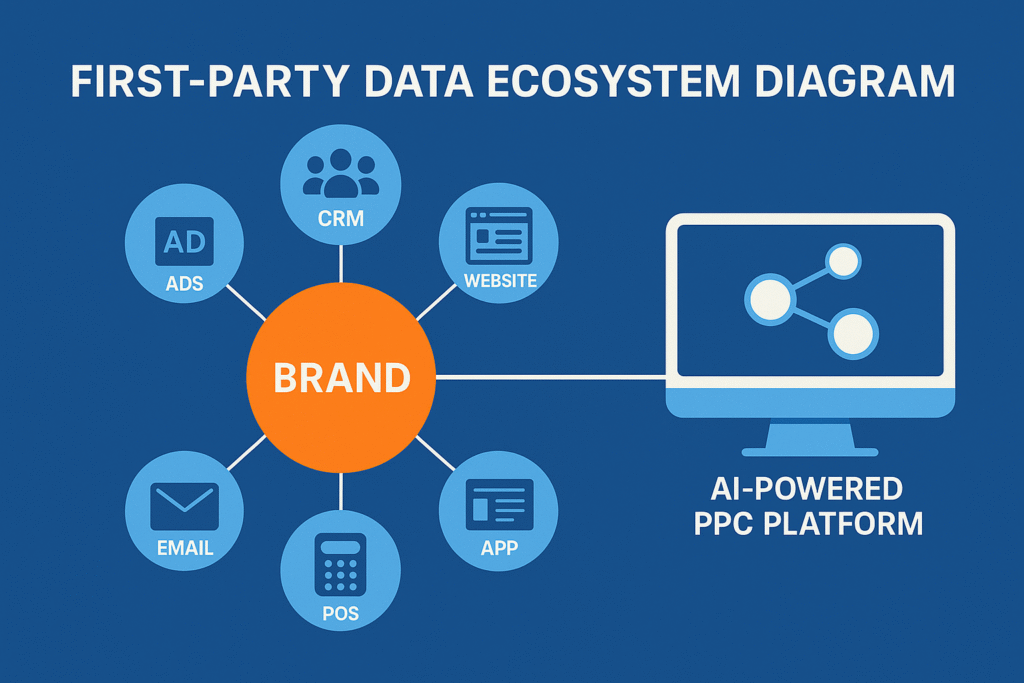
Businesses that build strong data ecosystems — using CRM, website analytics, and customer loyalty data — can now fuel AI-driven PPC automation with high-quality, privacy-safe inputs.
AI + First-Party Data = Intelligent Ad Targeting
Combining AI with first-party data gives advertisers unparalleled targeting precision.
For instance, AI models can:
- Segment users by intent, behavior, and purchase stage.
- Predict which audiences are most likely to convert.
- Adjust bidding automatically based on first-party insights.
This synergy allows marketers to deliver relevant messages to the right users, at the right time, and in the right channel.
How Google and Meta Are Leading the AI-Powered PPC Evolution
Both Google Ads and Meta Ads Manager have fully embraced automation.
Google’s Smart Solutions:
- Performance Max Campaigns: Unified automation across Search, YouTube, and Display.
- Predictive Audience Signals: AI uses first-party data to anticipate purchase intent.
- Creative Optimization: Automated ad combinations based on performance history.
Meta’s Advantage+ Ecosystem:
- Automated audience creation powered by AI.
- Data-driven budget allocation for optimal ROI.
- Machine learning for predictive personalization.
This automation reduces the need for manual campaign tweaks, allowing marketers to focus more on strategy and creative direction.
The Impact on Budgeting and Bidding
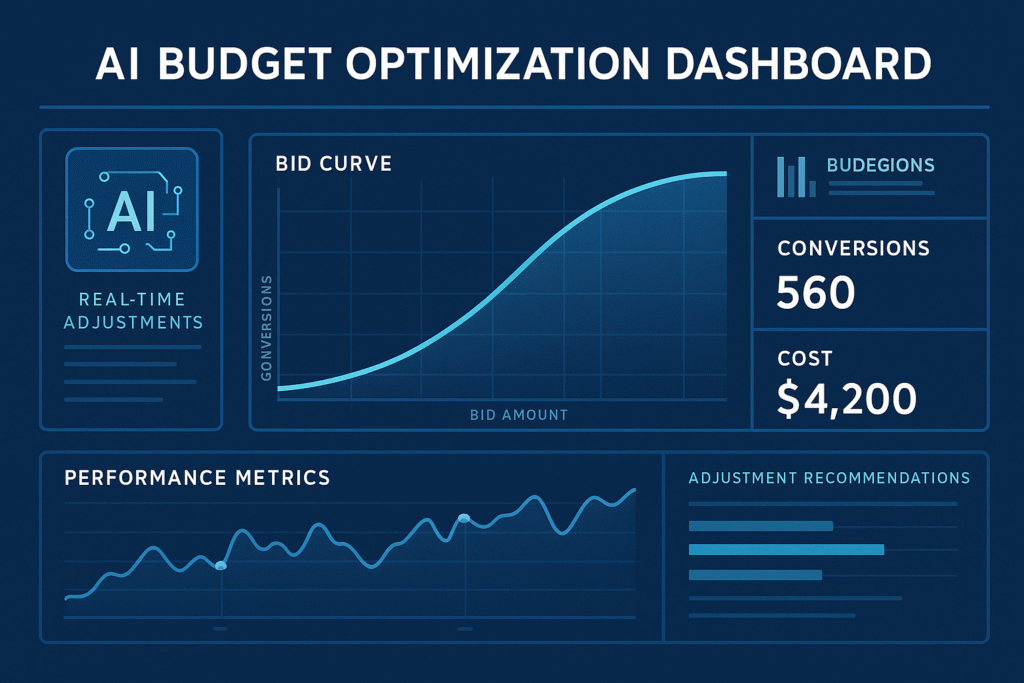
AI has made PPC budgeting more fluid and dynamic. Instead of fixed daily budgets, algorithms now adjust spending in real-time to capture high-performing traffic moments.
With automated bidding strategies like “Maximize Conversions” or “Target ROAS,” campaigns can self-optimize 24/7.
Marketers no longer need to guess what works — AI tests, learns, and reallocates resources automatically for the best outcomes.
Privacy and Transparency — The New PPC Frontier
While automation brings efficiency, it also demands ethical responsibility.
Marketers must ensure that AI decisions remain transparent and explainable, especially when using personal data.
- Always disclose how data is used.
- Store and process data securely.
- Give users control over their data preferences.
Brands that lead with data ethics and transparency not only comply with global regulations but also build long-term trust with customers.
How Small Businesses Can Compete with AI-Powered PPC
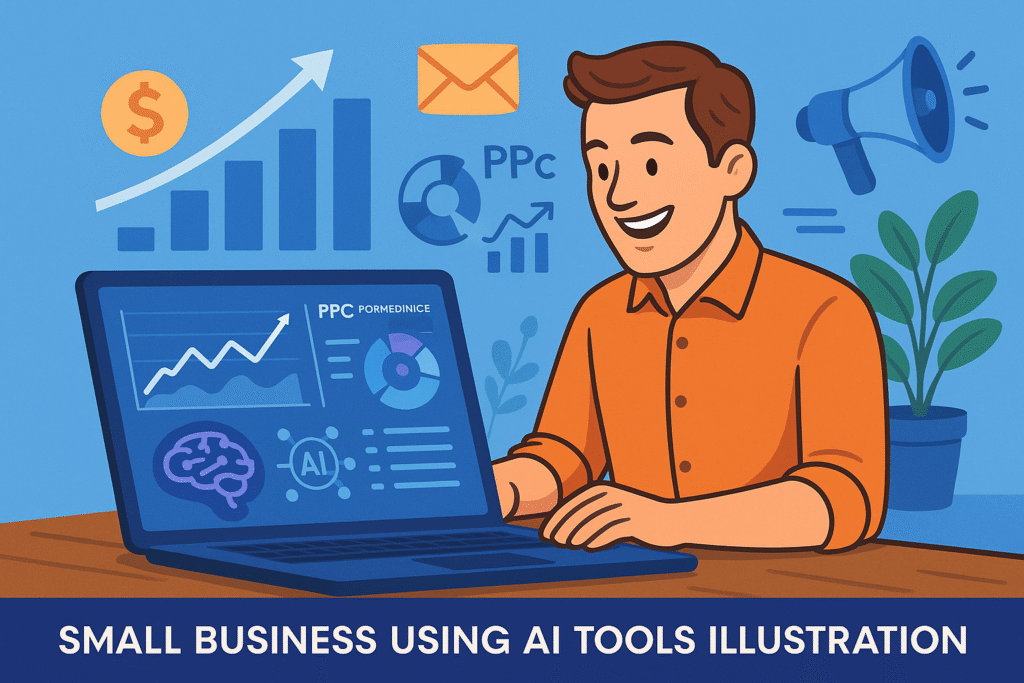
AI isn’t just for enterprise-level campaigns. Today’s platforms make automation accessible and affordable for small businesses, too.
Simple steps to get started:
- Connect your CRM or email list to ad platforms.
- Use Google Performance Max or Meta Advantage+ campaigns.
- Track results through Google Analytics 4 (GA4) and learn what converts.
With AI managing the technical complexity, small teams can focus on storytelling and creative strategy — the human edge that automation can’t replicate.
Future Trends: What’s Next for AI and PPC
- Predictive Audience Modeling will replace manual segmentation.
- Conversational Ads powered by AI chatbots will boost engagement.
- Voice-Search PPC will gain traction with smart assistants.
- Cross-Channel Automation will unify ad management across all platforms.
The future of PPC is adaptive, automated, and insight-driven — powered by AI and grounded in ethical first-party data practices.
FAQs About AI-Driven PPC and First-Party Data
What is AI-driven PPC automation?
AI-driven PPC automation refers to the use of artificial intelligence and machine learning to manage and optimize pay-per-click advertising campaigns automatically.
It helps advertisers adjust bids, select target audiences, optimize ad creatives, and analyze performance in real time — all without manual intervention.
How does first-party data improve PPC campaign performance?
First-party data—collected directly from customers via your website, CRM, or apps—offers accurate, privacy-compliant insights into user behavior.
When integrated into PPC platforms, it allows advertisers to deliver more personalized ads, improve conversion rates, and reduce wasted ad spend.
Can small businesses use AI-powered PPC tools effectively?
Absolutely! Small businesses can benefit greatly from AI-driven PPC platforms like Google Performance Max, Meta Advantage+, and Microsoft Ads Automation.
These tools simplify complex bidding and targeting processes, helping MSMEs run efficient campaigns with limited budgets and manpower.
What are the main advantages of using AI in PPC campaigns?
Here are some top benefits of AI in PPC:
- Automated decision-making for bids and budgets.
- Smarter audience segmentation based on predictive analytics.
- Real-time optimization for higher ROI.
- Better ad creative testing and performance insights.
AI enables advertisers to scale faster while maintaining precision and cost efficiency.
Is first-party data compliant with privacy laws like GDPR and CCPA?
Yes — first-party data is fully compliant with global privacy standards such as GDPR and CCPA, as it’s collected directly with user consent.
Unlike third-party cookies, first-party data ensures data ownership and transparency, which builds trust with customers and aligns with modern privacy-first marketing strategies.
How will AI and first-party data shape the future of PPC?
By 2025 and beyond, AI and first-party data will drive a new era of PPC advertising marked by:
- Predictive personalization (ads adapting to behavior in real time).
- Zero-cookie targeting models.
- AI-powered creative optimization.
- Voice and visual search PPC campaigns.
Together, they’ll make advertising more intuitive, ethical, and user-centric than ever before.
Which AI tools can help optimize PPC campaigns?
Some top-performing AI tools include:
- Google Ads Smart Bidding
- ChatGPT for Ad Copywriting
- Meta Advantage+
- Optmyzr
- Adzooma
- HubSpot AI Ads Manager
These platforms analyze data, test variations, and fine-tune your PPC campaigns automatically.
How can marketers prepare for an AI-first PPC future?
Marketers should:
- Start collecting and organizing first-party data.
- Use AI-powered analytics tools to understand audience intent.
- Focus on creative strategy and brand storytelling, letting AI handle repetitive tasks.
- Keep up with evolving privacy regulations and automation trends.
Conclusion: Redefining PPC for the Privacy-First Era
In 2025, AI-driven automation and first-party data have become the foundation of PPC success. Together, they deliver smarter insights, deeper personalization, and more ethical targeting.
For marketers, this is both a challenge and an opportunity — a call to embrace intelligent automation while staying true to data privacy and human creativity.